Palaeontology
print

Links and Functions
Language Selection

Breadcrumb Navigation


Content

Despite years of intensive research about the extinction of non-avian dinosaurs about 65.5 million years ago, a fundamental question remains: were dinosaurs already undergoing a long-term decline before an asteroid hit at the end of the Cretaceous? A study led by scientists at the American Museum of Natural History (AMNH)and LMU Munich gives a multifaceted answer. more

Structurally preserved roots of a conifer from the Middle Triassic of Antarctica provide the oldest fossil evidence of root nodules housing a mycorrhizal fungus. The fungus lived with the plant in a mutually beneficial symbiosis. more

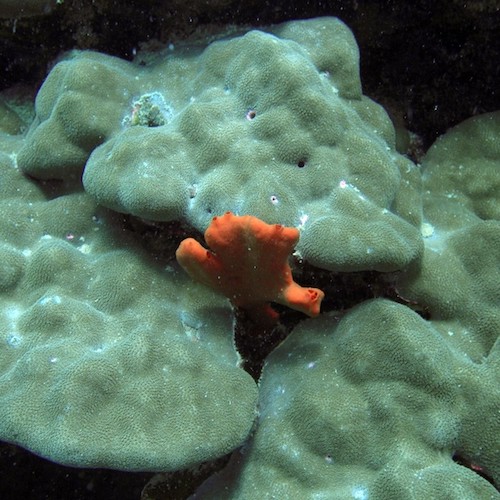
Many marine organisms, including corals, build skeletons from calcium carbonate – in the form of calcite or aragonite. The current composition of seawater favors the formation of aragonite – but soft corals have a specific protein that allows them to form calcite skeletons instead. more